Tui Na Massage in Meudon (92)
Tui-Na is the art of therapeutic massage in Chinese medicine. Literally "push-grasp," it uses a set of precise manual maneuvers to act on tissues, joints, and energy circulation. Unlike a classic relaxation massage, Tui-Na is part of a structured therapeutic approach, just like acupuncture.
This ancient technique combines deep pressure, kneading, friction, joint mobilization, and stretching to release tension, improve blood and lymphatic circulation, and restore energetic balance. Tui-Na doesn't just superficially relax muscles: it seeks to unravel the deep blockages that maintain your symptoms.
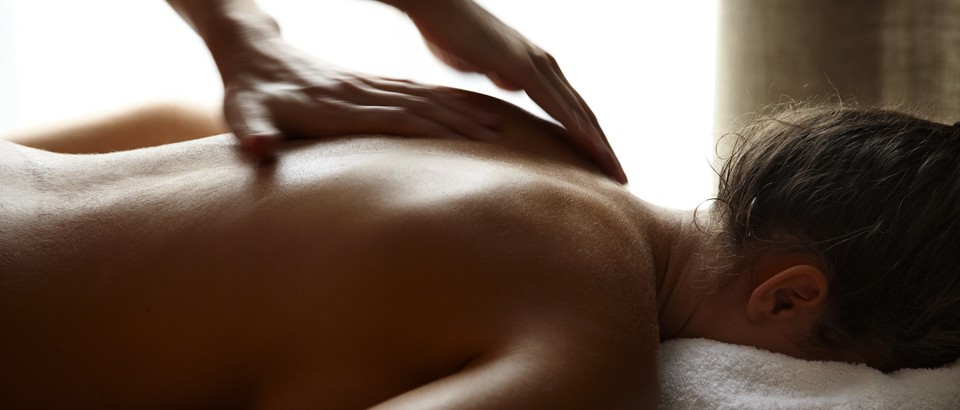
Your Tui Na massage in Meudon
How does Tui-Na work?
In Chinese medicine, Tui-Na acts on the circulation of Qi (vital energy) and Xue (blood) in the meridians and tissues. When this circulation is obstructed by muscle tension, old injuries, or chronic stress, pain and stiffness appear.
From a modern physiological perspective, Tui-Na produces measurable effects:
Muscle Relaxation
Dissolution of knots and tension through manipulation of the fascia and deep muscle fibers.
Improved Circulation
Stimulation of blood and lymphatic circulation, promoting tissue oxygenation and toxin elimination.
Joint Mobility
Unblocking stiff joints and improving range of motion through gentle mobilizations.
Nervous System Regulation
Activation of the parasympathetic system, inducing deep relaxation, stress reduction, and improved sleep.
Tui-Na adapts to each patient. The pressure, rhythm, and techniques used vary according to your constitution, symptoms, and tolerance. Some areas can be worked gently, while others require more sustained pressure to release long-standing tensions.
Therapeutic Indications
Tui-Na is particularly effective for musculoskeletal disorders and energetic imbalances that manifest as physical symptoms. Here are the most common reasons for consultation:
- Back and lower back pain: chronic low back pain, back tension, herniated disc
- Neck pain and stiff neck: cervical stiffness, neck tension, tension headaches
- Joint pain: osteoarthritis, stiffness, limited movement
- Tendinitis and sports injuries: shoulder, elbow, knee, ankle
- Sciatica and neuralgia: radiating pain, nerve compression
- Circulatory disorders: heavy legs, poor circulation, water retention
- Stress and nervous tension: somatized anxiety, chest tightness, sleep disorders
- Functional digestive disorders: constipation, bloating, slow digestion
Session Flow
Preliminary discussion
As with all approaches in Chinese medicine, I start by establishing a clear understanding of your situation. We discuss your symptoms, their location, what improves or worsens them. I observe your posture, assess your joint ranges of motion, and palpate painful areas. This discussion allows me to identify energetic imbalances and choose the most appropriate techniques.
Therapeutic Manual Work
Tui-Na massage is performed on a table, dressed in loose, comfortable clothing or underwear. I use a variety of techniques: gliding pressures along the meridians, deep kneading of muscle masses, friction on tension points, passive joint mobilizations, and stretches. Some maneuvers are gentle and enveloping, others more sustained depending on the needs. You are an active participant in your session: do not hesitate to tell me if the pressure is too strong or insufficient.
Complementary Techniques
Depending on your situation, I can integrate other tools from Chinese medicine: cupping to decompress deep tissues and improve local circulation, moxibustion to warm and tone deficient areas, or Gua Sha to release superficial stagnations. These techniques enhance the effect of Tui-Na on particularly blocked areas.
Advice and Self-massage
At the end of the session, I will show you simple self-massage or acupressure techniques to practice at home to extend the benefits of the treatment. Depending on your situation, I can also give you recommendations on movement, diet, or lifestyle habits that support your healing process.
Tui-Na and Acupuncture: What's the Difference?
These two techniques share the same theoretical foundations and aim for the same objective: restoring the harmonious circulation of Qi. The difference lies in their mode of action.
Acupuncture acts in a targeted and precise way on specific points with needles. Tui-Na, on the other hand, works on broader areas through manual manipulation. It is particularly indicated when tensions are diffuse, when muscles and fascia require direct mechanical work, or simply if you prefer a needle-free approach.
In many cases, I recommend combining the two techniques within the same session for optimal effect. Tui-Na prepares the ground by releasing muscle tension, then acupuncture refines the energetic work. This combination proves particularly effective for complex chronic pain.
My Practice
My training in Chinese medicine allows me to integrate Tui-Na into a global approach to your health. I do not simply seek to "relax" a painful area, but to understand why this tension appeared: postural compensation, energetic imbalance, chronic stress? This understanding allows for deeper work and lasting results.
The practice is located at 9 rue Paira in Meudon, an 8-minute walk from the Meudon Val Fleury RER station. The space is designed to promote calm and relaxation, essential elements for the effectiveness of manual therapeutic work.
Frequently Asked Questions
Is Tui-Na painful?
Tui-Na can be uncomfortable in some very tense or knotted areas, but it should never be unbearable. A tolerable feeling of discomfort, sometimes described as a "good pain," indicates that we are working on an area that needs it. Pressure is always adjusted to your tolerance. Some patients appreciate deep work, others prefer a gentler approach – we adapt the session to your needs and preferences. After the session, it is common to feel slight muscle soreness for 24 to 48 hours, a sign that the tissues have been deeply mobilized.
How many sessions are necessary?
For recent acute pain (stiff neck, lumbago), 2 to 4 close sessions (one to two per week) are often sufficient. For chronic tensions that have been established for months or years, a protocol of 6 to 10 sessions is usually necessary to achieve stable improvement. The first sessions are closer together to create a dynamic of change, then we gradually space them out to consolidate the results. Each case is unique, and we regularly review your progress together.
Are there any contraindications?
Tui-Na is contraindicated in cases of recent fracture, open wound, skin infection, phlebitis, or significant fever. Certain precautions are taken during pregnancy (avoidance of specific zones and points). In cases of acute inflammatory pathology, severe osteoporosis, or cancer, Tui-Na requires special adaptation and must be practiced with caution. We systematically address these questions during the first appointment to ensure your safety.
What is the difference with a wellness massage?
Tui-Na is a therapeutic act that is part of Chinese medicine. It is based on a precise reading of your tensions and aims to treat specific imbalances. The techniques used are more varied and often deeper than a relaxation massage: joint mobilizations, sustained pressures on acupuncture points, work on the meridians. The objective is not only relaxation (although this is a welcome side effect), but the resolution of health problems. A wellness massage remains superficial and provides pleasant relaxation; Tui-Na seeks to durably transform your state.