Chi Nei Tsang in Meudon (92)
Chi Nei Tsang (pronounced "chee nay tsung") is an ancient abdominal massage technique from Taoist Chinese medicine. Its name literally means "working the energy of the internal organs".
This therapeutic approach is based on a fundamental principle of Chinese medicine: our digestive organs are not just machines for digesting food. They are also the seat of our emotions, our psychic tensions, and our unresolved memories. Anger in the liver, anxiety in the stomach, sadness in the intestines... The belly remembers everything.
Chi Nei Tsang works directly on this area to release the physical and emotional blockages that accumulate there. It is a deep, slow, and respectful massage that dialogues with your internal organs to restore their optimal function and energetic balance.
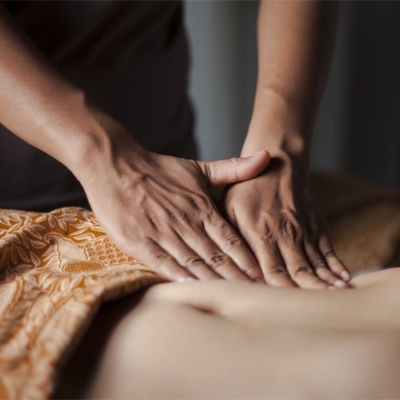
Your Chi Nei Tsang massage in Meudon
Why massage the abdomen?
In Chinese medicine, the abdomen is considered our "second brain" – and modern science confirms this today with the discovery of the enteric nervous system and the gut microbiota.
Your abdomen concentrates:
Energetic center
The lower Dan Tian, the reservoir of your vital energy (Qi), is located just below the navel. It is your energetic battery.
Vital organs
Liver, spleen, stomach, intestines, kidneys... All your digestive organs and their functions of transformation and elimination.
Emotional memory
Unexpressed emotions are lodged in the organs: anger in the liver, anxiety in the stomach, sadness in the lungs and intestines.
Fascial tensions
Chronic stress creates adhesions, knots, and blockages in the abdominal tissues that disrupt circulation.
When these organs are tense, congested, or blocked, it manifests as digestive problems, fatigue, chronic pain, emotional issues... Chi Nei Tsang untangles these tensions at their source.
"The abdomen is the seat of all emotions. When you massage the abdomen, you touch the soul." – Mantak Chia, Taoist master
Therapeutic indications
Chi Nei Tsang is particularly effective for:
- Digestive disorders: bloating, constipation, irritable bowel syndrome, gastric reflux
- Stress and anxiety: chronic abdominal tension, "knot in the stomach," blocked breathing
- Chronic fatigue: lack of energy, slow digestion that exhausts the body
- Lower back pain: psoas and abdominal fascia tensions that pull on the lower back
- Gynecological disorders: painful periods, premenstrual syndrome, pelvic congestion
- Emotional release: repressed anger, buried sadness, mental rumination
- Detoxification: supporting the elimination functions of the liver and kidneys
- Abdominal scars: C-section, appendectomy, post-operative adhesions
How does a Chi Nei Tsang session unfold?
Interview and observation
We discuss your digestive issues, your emotional state, and your health history. I also observe your abdomen: its shape, tense areas, and temperature. In Chinese medicine, reading the abdomen reveals a lot about the state of your internal organs and your vital energy.
Installation and breathing
You lie comfortably on your back. I guide you in deep abdominal breathing to relax the diaphragm and prepare your abdomen for the massage. This step is essential: a contracted abdomen cannot be deeply massaged.
Deep abdominal massage
With my hands, I progressively work deeply on the different areas of your abdomen. I locate tensions, knots, and congested areas. The touch is firm but respectful, always in dialogue with your body. You may feel gurgling (a sign that the intestines are moving again), warmth, sometimes emotions rising. All of this is normal and beneficial.
Complementary techniques
Depending on your needs, I may incorporate liver detoxification, abdominal lymphatic drainage, psoas release (a deep muscle linked to emotions of fear), or therapeutic breathing. The goal is to support your body's natural ability to self-regulate.
Post-session advice
I provide you with self-massage exercises for the abdomen to practice at home, dietary recommendations adapted to your energetic constitution, and breathing techniques to keep your abdomen relaxed daily.
What you might feel
During the session
Chi Nei Tsang is a unique experience for everyone. Some feel a deep release, almost a meditative trance. Others experience intense emotions – sadness, anger, relief – rising to the surface. The intestines often start moving again with audible gurgling. You may also feel warmth spreading in your abdomen, a sign that energy circulation is being restored.
After the session
In the hours that follow, it is common to feel very tired – your body is working to integrate the releases. Your bowel transit may change (more frequent bowel movements, increased elimination). Some people also report a gradual increase in energy over the following days, improved digestion, deeper sleep, or renewed mental clarity.
My practice of Chi Nei Tsang
The Chi Nei Tsang I practice is part of a holistic approach to Chinese medicine. I do not massage the abdomen in isolation: I take into account everything you have described, the state of your organs according to TCM principles, and the links between your physical and emotional symptoms.
This overall vision allows for identifying the deep causes of your digestive issues or fatigue, rather than simply treating the manifestations. Chi Nei Tsang then becomes a powerful tool for transformation, where body and mind rediscover their natural dialogue.
Frequently asked questions
Is abdominal massage painful?
No, but it can be intense. Chi Nei Tsang works deep in areas that are often tense and sensitive. You may feel uncomfortable pressure on some congested areas, but this sensation should remain bearable. I always adapt to your comfort threshold. Pain is never the goal – release is.
Should I fast before a session?
Ideally, avoid eating a heavy meal within 2 hours before the session. A too-full abdomen is difficult to massage deeply and can cause discomfort. A light meal or snack 2-3 hours before is perfect. You can drink water normally.
How many sessions are needed?
For mild digestive issues or occasional stress, 2 to 4 sessions may suffice. For chronic problems established for years (irritable bowel, chronic constipation, deep emotional tensions), a protocol of 6 to 10 sessions spaced one to two weeks apart is often recommended. Chi Nei Tsang works by progressive release of layers of tension.
Are there any contraindications?
Yes. Chi Nei Tsang is not recommended in cases of: pregnancy (especially first trimester), acute abdominal infection, active intestinal inflammation (Crohn's disease in crisis, diverticulitis), abdominal cancer, untreated abdominal hernia, heavy menstrual periods. If in doubt, we will discuss it together during the first appointment.
What is the difference from a classic abdominal massage?
Chi Nei Tsang does not work on the surface but deeply on the internal organs. It is not a relaxation massage but a therapy aimed at releasing energetic and emotional blockages lodged in the abdomen. The practitioner must have a thorough knowledge of anatomy, Chinese medicine, and the emotional dimension of the organs.