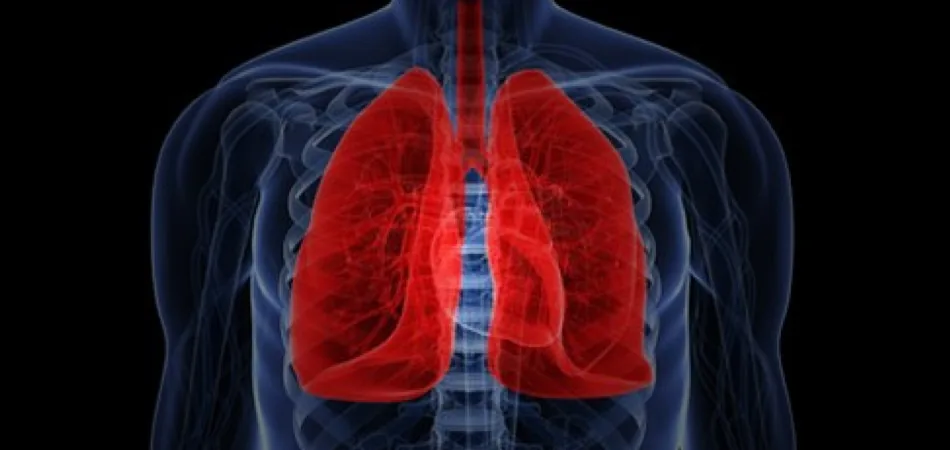
These vital, pink, conical, and asymmetrical organs (the right lung is composed of 3 lobes and the left of 2) are contained within the thorax, resting on the diaphragm and protected by the rib cage.
They are part of the respiratory system (along with the airways, pulmonary vessels, and respiratory muscles) and play a fundamental role in breathing, by allowing gas exchanges between the air and the blood (supplying oxygen and removing carbon dioxide). They also warm and humidify inhaled air, as well as protect against harmful particles. Each lung houses a "respiratory tree" (bronchi and bronchioles) and a respiratory vascular system (pulmonary arteries and veins).
Besides their respiratory function, the Lungs also have the function of regulating the acid-base metabolism and filtering the blood (eliminating small clots).
Facts and Figures
- On average, 4 L of air and 5 L of blood pass through our Lungs at rest; these figures increase to 160 L of air and 30 L of blood during exertion!
- We inhale 10,000 to 15,000 L of air every day
- We take 15 to 17 breaths per minute
- We could live (almost) normally with only one lung
- The regulation of our breathing rate is an unconscious phenomenon, managed by our nervous system
The TCM Perspective
The Lungs are the organs of the Metal element. The associated climate is Dryness, the season is Autumn, the sense is smell (its opening is the nose), the emotion is Sadness, and the paired organ is the Large Intestine. Mirroring the Lungs, the body tissues governed by these organs are the skin and body hair, the body's outermost protective layers. These elements are fundamental to understanding disorders related to the Lungs.
The primary function of the Lungs is the dispersing and descending of Qi and body fluids. They assist the Kidneys in their function of elimination (Lung energy descends). A strong connection therefore exists between these organs; if it is altered or broken, significant disorders such as asthma can appear.
Weakened or blocked lung energy can lead to:
- Skin disorders (acne, eczema, shingles, psoriasis, etc.)
- Respiratory disorders (sore throats, asthma, dyspnea, etc.)
- ENT disorders (allergies, sinusitis, rhinitis, etc.)
- Disorders related to poor elimination (urinary retention, constipation, edema, etc.)
- Fatigue, chronic weariness, a weak voice ("the Lungs are the gate of sounds")
Besides the tools of TCM, a suitable diet and lifestyle are good ways to preserve lung energy, which acts as a true defensive wall for our body.