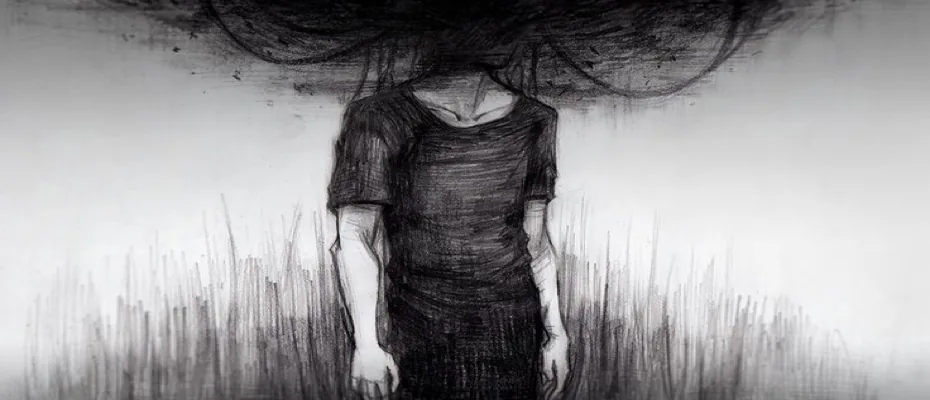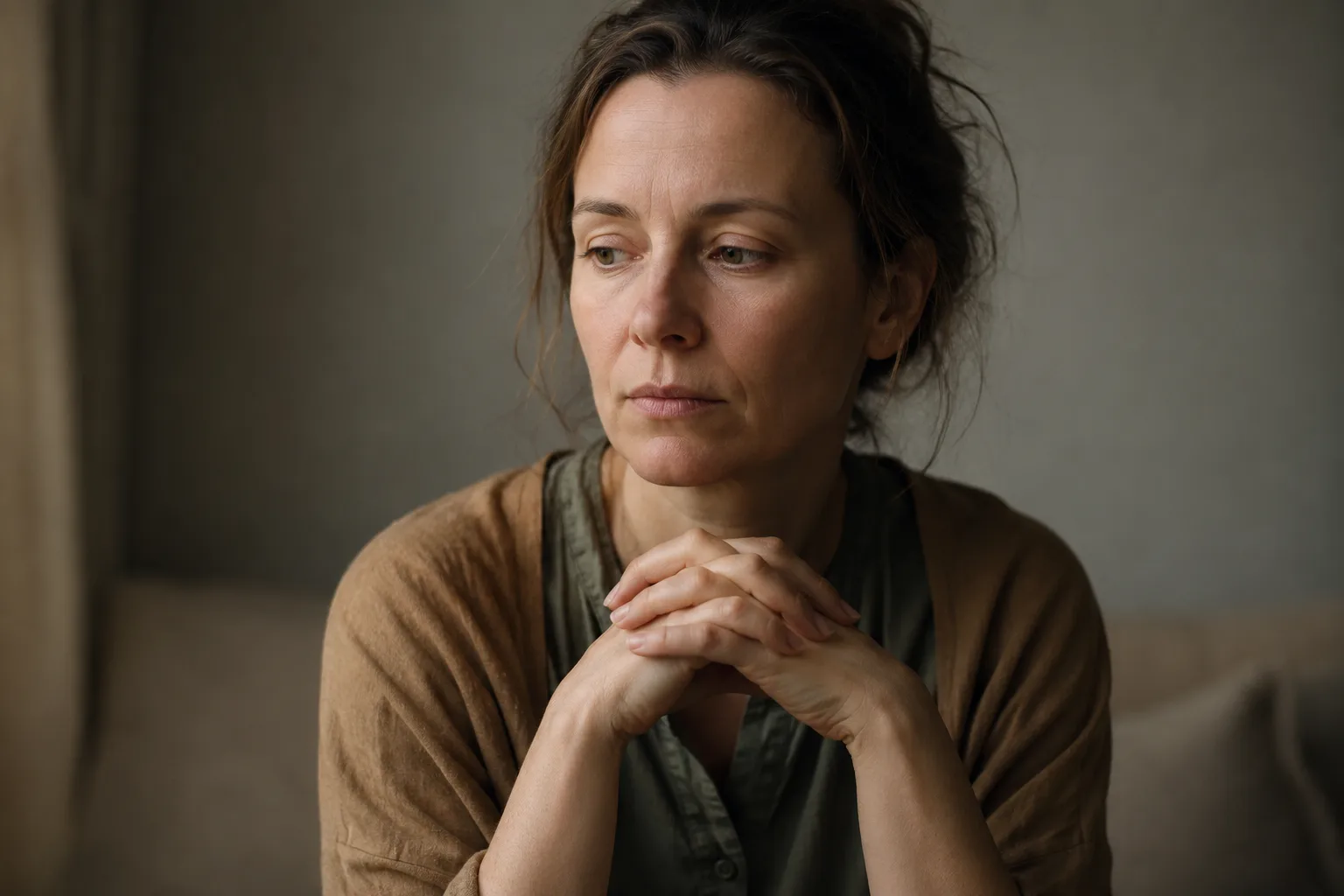
From a biological perspective, stress is defined as an organism's reaction to external stimuli. These "mini traumas" trigger primary survival mechanisms. In humans, this adaptation occurs throughout life, whenever new constraints must be managed. These can be: punctual or recurrent, personal or professional, physical or mental/emotional, expected or accidental, etc.
Work-related stress is the most common example. But we must not overlook the stress of certain family, academic, or emotional situations that we may experience daily, right from childhood. The phenomenon concerns us all, regardless of age and gender.
Its effects
It causes physiological reactions:
- Increase in adrenaline
- Constriction of blood vessels
- Acceleration of heart rate
This unconscious survival reflex of the organism temporarily puts us in a state of alert, with increased attention and reactivity. This is a "normal", natural, healthy process. Chronic stress occurs when it persists over time, preventing any rest for the organism subjected to it.
But how do we tell the difference? From what point can we say that stress has become chronic?
Due to our different experiences, personalities, and sensitivities, we are not all equal in the face of stress. Some seem less affected by exposure to stimuli (auditory or visual, for example). These differences in perception give stress a subjectivity that makes its measurement complex.
That said, this difference in resistance does not alter the reality! And the impact on the Body by the suffering Mind is only a matter of time… An employee who decides to ignore the appearance of eczema or sleep disorders will expose themselves more to a risk of burnout or depression!
Often, the gravity of a situation is only realized when it becomes “unmanageable,” with a feeling of being cornered, overwhelmed, and unable to cope with yet another perceived insurmountable ordeal. This then results in the following symptoms:
- Physical: muscle tension, digestive disorders, dermatological disorders, heart problems, sleep disorders, appetite disorders, respiratory disorders, headaches/migraines, paleness, weight loss, hair loss, fatigue, etc.
- Mental: anxiety, irritability, aggression, sexual disorders, difficulty concentrating, memory loss, introversion, low self-esteem, depression, addictions, etc.
Race against time!
Exposure to stress is even greater with new technologies. Smartphones, tablets, broadband, social networks, etc. This hyper-connectivity leads to the omnipresence of stimuli, constraints for the Mind thus alienated from morning to night.
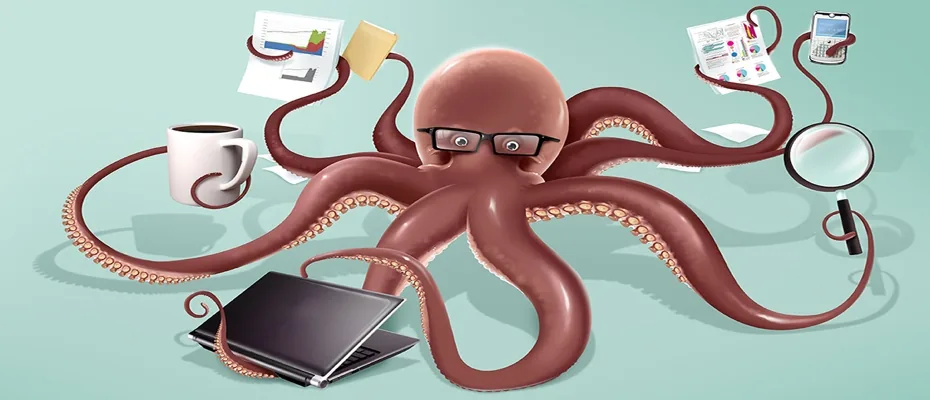
The time we have in a day clashes with ever-increasing flows of information. Hyperactivity is valued, and it becomes complicated to get the necessary rest. The obsession with passing time pushes us into a race for efficiency, even outside of work; the hyperactive Mind constantly cogitates and no longer knows how to “do nothing.”
These phases of “emptiness” are nevertheless essential to disconnect – literally – from a frantic daily life. Tension is everywhere and takes the form of calls, emails, SMS, notifications. Not to mention the impact of screens on our eyes or waves on our brain…
Stress has thus become routine, and its universal nature now makes it the primary cause of work stoppages and accidents worldwide.
What remedies?
Even if it is difficult to isolate oneself from the world, or change one's daily life (at least for the professional part, let's be realistic…), it is entirely possible to adapt it for better stress management to limit its effects.
“There is no stress other than the one we impose on ourselves”
Ultimately, stress is above all a question of feeling. If immediate reactions to stimuli are natural, allowing my Mind then my Body to be invaded by tension is up to me. In addition to regular practice of a sport, a balanced diet, limiting screen time in the evening, TCM tools effectively combat stress.
- Meditation/breathing exercises: an emotionally abused Mind seeks by all means to capture its host's attention. This is one of the foundations of TCM. Conscious breathing exercises are thus an excellent way to regulate internal tensions.
- Massage and acupuncture: whether manual or using needles, the stimulation of specific body points has powerful effects on the Mind. The treatments section presents protocols specifically designed for these purposes. Regular self-massage will also be beneficial.
- Tai Chi / Qi Qong: the benefits for the Mind and Body provided by the practice of these long-kept secret arts are numerous, thanks in particular to the establishment of an inner void and the practice of better breathing – key points for the evacuation of toxins accumulated day after day. Life hygiene is thus improved.