Anti-Stress Relaxing Massage in Meudon (92)
Your body is in permanent alert mode. Knotted shoulders, clenched jaw, blocked breathing, tense abdomen, restless sleep. You run on adrenaline and coffee, unable to truly relax even when you try. Your nervous system is stuck in survival mode – and it no longer knows how to get out of it.
The anti-stress relaxation treatment is designed precisely for this: to shift your body from the sympathetic nervous system (fight-flight-stress) to the parasympathetic system (rest-digest-repair). This is not just a simple relaxation massage, but a therapeutic protocol that targets strategic areas where stress accumulates and frees your breathing to allow your body to relearn how to relax.
The techniques used are gentle, slow, enveloping – yet precise and targeted according to the principles of Chinese medicine. The goal is not to "massage hard" to relax, but to create the conditions for your nervous system to finally let go.
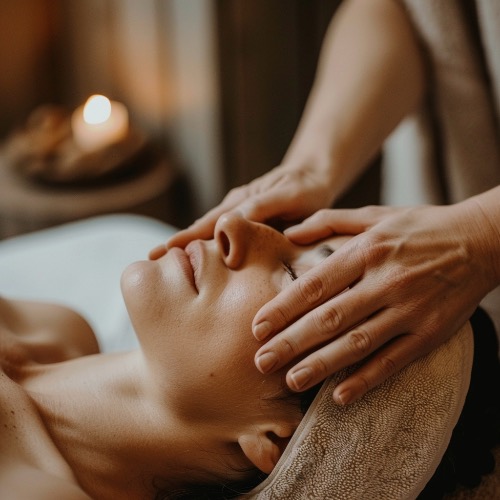
Your Relaxing Massage in Meudon
Understanding Chronic Stress according to TCM
In Chinese medicine, chronic stress creates a blockage of the Qi of the Liver. This blockage manifests as physical tension (stiff neck, knotted trapezius, clenched jaw) and emotional symptoms (irritability, anxiety, rumination). When the Liver is blocked, it "attacks" the Spleen and Stomach, causing digestive disorders. It also disrupts the Heart, causing insomnia and palpitations.
Parasympathetic Activation
Slow and rhythmic techniques stimulate the vagus nerve, signaling to your body that it can exit alert mode and enter repair mode.
Diaphragm Release
Stress blocks breathing. By releasing the diaphragm and solar plexus, deep breathing is restored, which immediately calms the nervous system.
Liver-Spleen Harmonization
In TCM, stress (Liver) disrupts digestion (Spleen). Abdominal massage soothes the second brain and restores this energetic harmony.
Calming the Shen
The Shen (Spirit) resides in the Heart. By calming the body, the mind is calmed. The mind can finally stop ruminating.
This protocol does not mask stress with soothing techniques – it treats the energetic imbalance that keeps your nervous system in hyper-vigilance.
"When the Liver is free, Qi flows. When Qi flows, the mind is at peace."
Therapeutic Indications
This treatment is particularly effective for:
- Chronic stress and anxiety: constant state of tension, difficulty letting go
- Burnout and exhaustion: nervous fatigue, professional overwork
- Sleep disorders: insomnia, non-restorative sleep, nocturnal ruminations
- Stress-related muscle tension: stiff neck, knotted trapezius, clenched jaw
- Nervous digestive disorders: feeling of a knot in the stomach, irritable bowel, bloating
- Blocked breathing: chest tightness, shallow breathing, frequent sighs
- Irritability and nervousness: mood swings, impatience, hypersensitivity
- Tension headaches: stress-related headaches, migraines
- Palpitations and tachycardia: racing heart, feeling of oppression
The Strategic Stress Zones
The protocol precisely targets the zones where stress accumulates and crystallizes:
Neck and Cervical Spine
First point of tension. Stress stiffens the neck, blocking circulation to the head and causing headaches and mental fog.
Trapezius and Shoulders
Prime area for chronic stress. The trapezius literally carries the weight of responsibilities and worries. Gallbladder meridian.
Arms and Forearms
Often overlooked tensions. Meridians of the Heart and Pericardium, directly linked to anxiety and emotional stress.
Chest and Solar Plexus
Stress compresses the rib cage. Releasing this area restores deep breathing and calms the nervous system.
Abdomen (Second Brain)
The abdomen tenses up during periods of stress. Abdominal drainage to soothe the Spleen, Stomach, and intestines, restoring flexibility.
Calves and Legs
Stress descends and lodges in the legs. Releasing the calves improves circulation and grounding, a feeling of being "settled."
Each zone is treated with adapted techniques: slow effleurage, gentle but deep pressures, rhythmic kneading, joint mobilizations, acupressure points on the relevant meridians.
Course of an Anti-Stress Session
Welcome and setup
The space is prepared to promote relaxation: subdued lighting, comfortable temperature, silence or soft music according to your preference. You lie down comfortably. We briefly discuss your current stress level and your main areas of tension.
Breathing and grounding
I guide you through deep abdominal breathing to begin activating the parasympathetic system. This step prepares your body to receive the treatment and allows for an initial release of the diaphragm.
Working on tension areas
Slow and enveloping massage of all strategic areas: neck, trapezius, arms, chest, abdomen, calves. The techniques are gentle but precise, combining western relaxing massage and TCM principles (meridians, acupressure points). The rhythm is deliberately slow to allow your nervous system to progressively shift into rest mode.
Breathing Release
Specific work on the diaphragm, the solar plexus and the opening of the rib cage. Gentle mobilization of the ribs, passive stretches. Stimulation of key points of the Lung and Pericardium meridians. Your breathing naturally becomes fuller and deeper.
Integration and debrief
Quiet rest time to integrate the treatment. Gradual return to wakefulness. I provide advice to maintain this state of relaxation: simple breathing exercises, self-massage points, recommendations according to your situation.
The total duration of the session is 60 minutes.
What you can expect to feel
During the session
Immediate calm. From the first few minutes, you feel your breath deepen, your shoulders drop, your jaw unclench. Many people fall asleep – a sign that the nervous system has finally received permission to let go. You may feel a gentle sensation of warmth, abdominal gurgling (the digestive system restarting), sometimes emotions resurfacing (tears of relief). All of this is normal and beneficial.
After the session
You leave the session in a state of profound relaxation. A feeling of lightness, of floating, as if you have just put down a weight you have been carrying for a long time. Your mind is calm, your body relaxed. It is highly recommended to rest after this session – avoid stimulating activities, give yourself time to savor this state. The effects generally last several days: improved sleep, less intrusive thoughts, increased ability to manage stressful situations.
One-off effect vs. regular support
A single session provides immediate relief that can last from a few days to a week. This is perfect for a one-off boost, a particularly stressful period, or simply to offer yourself a moment of well-being.
However, if you suffer from chronic stress that has been present for months or years, your nervous system needs progressive training to sustainably exit survival mode. In this case, regular follow-up is recommended: 4 to 8 sessions spaced one to two weeks apart allow your body to be re-educated in relaxation and to establish a new, lasting balance.
Frequently Asked Questions
What is the difference from a classic relaxing massage?
A classic spa relaxing massage mainly works on the surface to relax muscles. The anti-stress TCM treatment integrates an energetic dimension: work on the meridians, stimulation of strategic acupressure points, diaphragm release, and abdominal drainage. The goal is not just to relax muscles, but to regulate the nervous system and treat the underlying energetic imbalance (Liver Qi stagnation in TCM).
Is it effective if I am in severe burnout?
Yes, but with an important nuance. One session will provide immediate relief and allow your nervous system to temporarily exit alert mode. However, severe burnout requires structured support with several regular sessions, ideally supplemented by medical and psychological follow-up, and adjustments to your lifestyle. The treatment does not replace these other dimensions, but it is a valuable tool in your recovery.
Can I go back to work right after?
Technically yes, but it would be a shame. After this treatment, your body is in a state of deep rest – your cortisol has dropped, your parasympathetic system is activated, you are in a "rest-repair" mode. Plummeting immediately back into a stressful environment short-circuits these benefits. Ideally, schedule this session at the end of the day or before a weekend to prolong this state.
Is the abdominal massage painful?
No. The abdominal drainage in this protocol is gentle and enveloping, very different from Chi Nei Tsang which works deeply. The goal here is to soothe the abdomen tensed by stress, not to treat deep blockages. Most people find this part particularly relaxing – the gurgling that occurs is a sign that the digestive system is relaxing and restarting.
Are there any contraindications?
Very few. This treatment is gentle and suitable for almost everyone. The only precautions concern pregnancy (certain abdominal areas are avoided), acute infections with fever, and active skin inflammations on the areas to be massaged. In case of severe psychiatric disorders or unresolved trauma, prior psychological support is recommended, as deep release can bring up buried emotions.