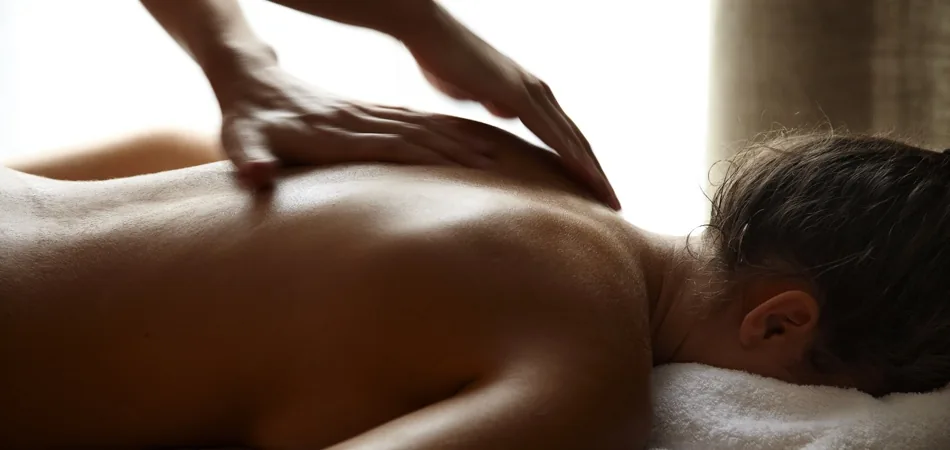
Tui Na represents one of the oldest forms of therapy. Born in China from an instinctive need to create physical contact with a person who needs care and support, this therapeutic massage used in Chinese hospitals is, however, only in its infancy in the West... and in France, there is only a limited number of qualified practitioners! This discipline deserves to be better known, due to the impressive number of conditions it can help relieve and treat.
While popular massages in the West are primarily aimed at relaxation, Tui Na's curative purpose is to seek out and treat mainly musculoskeletal conditions on the one hand, and psychological disorders on the other. Here we find the holistic vision of TCM.
The practitioner uses numerous massage techniques such as: rolling, pushing, grasping, kneading, rubbing, and vibrating. These are applied to large muscle groups as well as to specific acupuncture points. Such a session provides a powerful moment of well-being for the body, releasing its burdens, and it is not uncommon to feel the need for restorative sleep afterward.
Therapeutic Effects
Through massage, the practitioner works on three aspects of the body:
- the proper circulation of vital substances (Qi and organic fluids)
- the state of the internal organs (particularly through abdominal massage, see Chi Nei Tsang)
- the potential presence of pathogenic factors, or internal "pernicious climatic factors"
As any pain or pathological condition results from a blockage, the performed manipulations improve the flow of vital substances and Qi, leading to the resolution of the ailment, whether it be physical or psychological! Just like acupuncture, Tui Na can effectively treat all kinds of disorders:
- Musculoskeletal
- Digestive
- Respiratory
- Urogenital / Gynecological
- Psychological
- Circulatory
However, for so-called "deep" disorders (long-standing, chronic, rooted in the person), needles are still used in addition to massage for greater effectiveness.