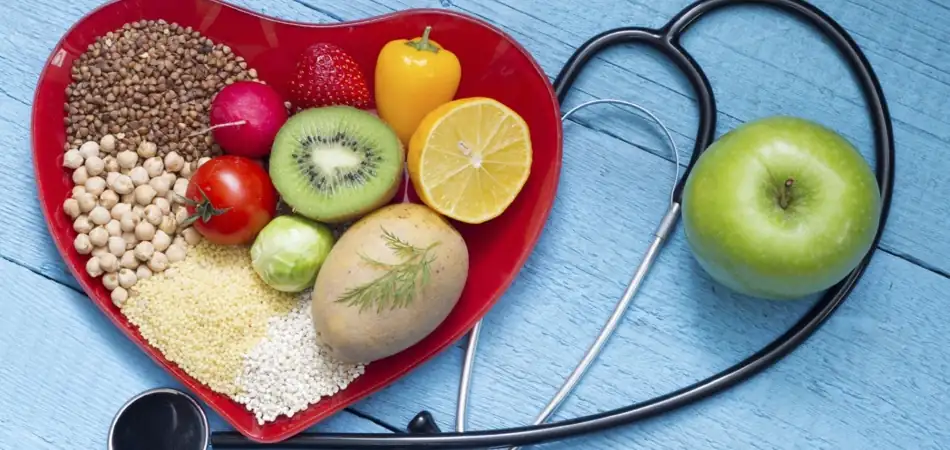
Dukan, Paleo, raw food, steamed food, vegetarian, vegan diets... In the West, dietetics often follows trends, making it difficult to know what constitutes a healthy diet. This is especially true since these "magic formulas" often target weight loss or ethics, without necessarily considering individual needs and constitutions. Not to mention that these restrictive habits—when no longer followed—cause a "yo-yo effect" on a person's weight, with the body bearing the full brunt of the harmful effects.
Far from this modern complexity, the basic rules of Chinese dietary hygiene have changed little over millennia, yet they offer us a simple and natural way to optimally nourish our body (and our Spirit!). In Europe, there is growing discussion about the impact of our gut on our emotions, moods, and behaviors... The importance of good nutrition is such that it is an integral part of the tools available to a TCM practitioner in treating a disorder or a pathology.
The first medicine is food; this is called "food as medicine."
5 Element Dietary Therapy
In the traditional Chinese view, the key word is balance. Following the Taoist vision (and thus the principles of TCM), it is always a matter of listening to the body's needs and ensuring that we evolve in harmony with our space and time. Typically, this means favoring local, seasonal products, and eating them raw or cooked in a way that regulates body temperature. Chinese dietary therapy, therefore, is not a diet in the strict sense, but rather a way of eating that adapts to the individual's age, constitution, and living conditions. To do this, 5 factors are considered with regard to food.
The Proportions of Different Categories
Compared to the West, the Chinese consume:
- More grains/legumes (40%-60%)
- More fruits and green vegetables (20%-30%)
- Less meat/seafood, sugars, fats, dairy products (10%-15%)
The proportions of foods in an "ideal" diet are therefore reversed between China and the West, and it is clear that it is still not recommended to completely eliminate animal proteins, especially meat, which is useful for blood formation!
Temperature and Warming/Cooling Effect
Here we have 5 categories of foods:
- Hot (lamb, chocolate, coffee, chili, sesame, etc.)
- Warm (garlic, oats, ginger, date, potato, chicken, etc.)
- Neutral (beet, peanut, carrot, cabbage, cherry, rice, grape, salmon, etc.)
- Cool (seaweed, almonds, wheat, fish, orange, turnip, radish, etc.)
- Cold (tomato, yogurt, banana, duck, cucumber, etc.)
It is advisable to adapt the proportion of these foods according to the season, in order to conserve the energy of our internal organs, especially the Stomach, which brings everything to body temperature. So NO, a diet composed exclusively of raw vegetables is not ideal...!!
The Flavor
This concept is particularly important as each flavor affects its corresponding element (and therefore its organs). It can happen that a person is particularly attracted to or, on the contrary, disinterested in one of these flavors, which signals an imbalance in the element in question. Its interpretation is therefore interesting in understanding a possible pathology.
- Sour (pineapple, blackcurrant, lemon, raspberry, cheese, tomato, olive, green vegetables, etc.) – Wood Element, Liver and Gallbladder
- Bitter (broccoli, coffee, celery, watercress, endive, lettuce, turnip, radish, etc.) – Fire Element, Heart and Small Intestine
- Sweet (lamb, oats, wheat, beef, cabbage, date, milk, lettuce, corn, etc.) – Earth Element, Spleen and Stomach
- Pungent (garlic, mint, turnip, chili, leek, cumin, wine, etc.) – Metal Element, Lungs and Large Intestine
- Salty (garlic, seaweed, duck, crab, lobster, mussel, pork, sardine, ham, etc.) – Water Element, Kidneys and Bladder
Quality (Freshness, Variety, etc.)
Choosing the foods we ingest has never been more important than in our ever-more industrialized era. Thus, organic products will be less exposed to chemical and potentially pathogenic agents.
The Circumstances and Time of the Meal
The impact of food on the body will be very different depending on the speed of the meal, the state of mind, the level of relaxation, distractions (watching TV while eating is not very good...), etc. IN SHORT, the time and attention given to this sacred moment of regeneration. We must keep in mind that regardless of our "consciousness," our body has its own existence, its own needs, its own intelligence. Giving it attention during meals is essential.
Furthermore, our biorhythms naturally dictate that we eat a large breakfast, a moderate lunch, and a light dinner. Indeed, since a night's sleep should be a time of rest for our body, digesting food eaten at a late hour compromises this necessary rest time. This can lead to: restlessness, insomnia, fatigue, etc.
Effects of a Poor Diet
The Stomach and Spleen are the two main organs of digestion and will therefore be the first to be impacted. Their respective roles are:
- To 'rot and ripen' food and drink – The first stage of the food bolus. It is important that digestible food, at the correct temperature, and at regular intervals reaches the Stomach in the right quantities. Otherwise: water retention, obesity, indigestion, regurgitation, etc.
- To transform and transport food, so that each nutrient can become one of the body's vital substances that nourish both body and mind. The risks of depleting the Spleen's energy due to inappropriate food include: fatigue, digestive transit issues, stomach pain, weakness in the limbs and muscles, etc.